In case of emergencies please ring 999/112

Guidelines
The Guidelines within this section are a combination of IPATS specific pragmatic guidelines and national and international guidelines curated for the benefit of stabilisation of the critically ill child. Use of a guideline should only be used as a decision support tool and not supersede clinical decision making by the medically responsible clinician caring for the child.
🔹 Time Critical Guidelines
Each guide includes a condition-specific pre-departure checklist to ensure all relevant equipment/medications are available for safe transfer. These are also available separately in the documents section: Local Team Resources
Neurosurgical Emergencies
Blocked VP shunt / Elevated Intracranial Pressure Management
Severe Traumatic Brain Injury management
Cardiac Emergencies
Acute myocarditis / Cardiomyopathy
Care of the child post return of spontaneous circulation
Care of the child with an anterior mediastinal mass
Care of the child at risk of peri-intubation cardiac arrest
Neonatal Emergencies
🔹 Respiratory Guidelines
Difficult Airway
APA Can't intubate can't ventilate
APA Difficult mask ventilation
National Tracheostomy Document
Intubation & Ventilation Guidelines
Paediatric Peri-intubation Considerations
Intubation & Airway sizing guide
Nasal Endotracheal Tube Taping
Emergency intubation weight based packs
End tidal C02 Resources
American Clinical Practice Guideine Capnography
Post Intubation Care
Care of the child in an adult ICU
Post intubation sedation & ventilation guide
AAGBI Care of the Critically Ill Child Guidance 2015
Transport Ventilator Settings & set up guide for paediatric transfers
Transport Ventilator Manuals
🔹 Cardiology Guidelines
Care of the child post return of spontaneous circulation
Care of the child post return of spontaneous circulation
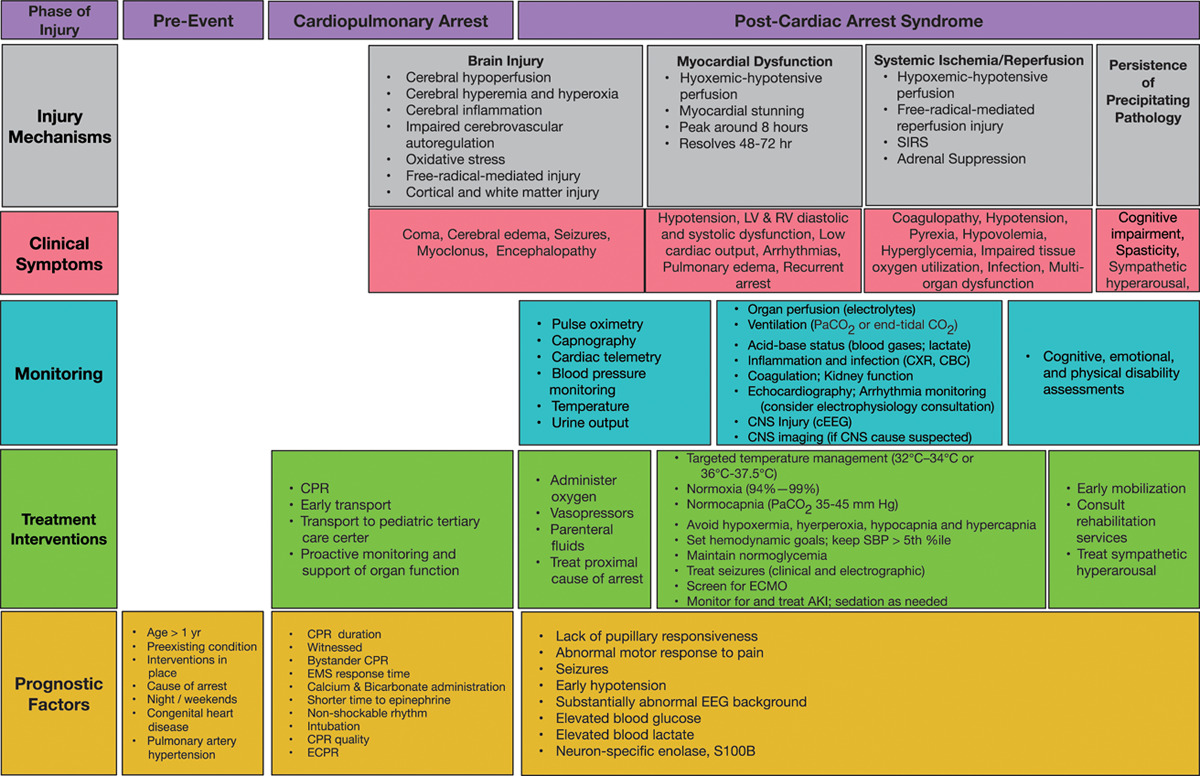
Care of the child with acute or decompensated myocarditis/cardiomyopathy
Acute Myocarditis / Cardiomyopathy
🔹 Neurology / Neurosurgery Guidelines
This Severe TBI guideline has been designed for children with severe TBI and a GCS of </= to 8. However, this guideline has applications to the management of a child with any cause of raised ICP and thus can be reviewed in the case of intracranial bleeding, blocked shunt etc. In general, children following this guideline will require timely time-critical transfer to CHI @ Temple street for neurosurgical care. IPATS will only facilitate these transfers if the time window to definitive care allows for the additional time it takes to travel to the regional centre. Local team preparation for transfer is highly recommended
Severe TBI Guideline
Blocked/Infected VP shunt Guidance
🔹 Endocrine / Metabolic Guidelines
Diabetic Ketoacidosis National Guideline
Below is a link to the current national DKA guideline.
National DKA protocol HSE 2025
Metabolic Emergency Guidance
If there is a clinical suspicion of a metabolic disorder, or a patient with a known metabolic disorder is unwell, please contact the Metabolic Consultant on call through the switchboard at Temple Street, Children's University Hospital on 01-8784200.
Below are links to some helpful resources that you may be directed to upon consultation with the metabolic team
1. British Inherited Metabolic Disease Group Emergency Guidelines A useful resource of easy to use emergency guidelines for metabolic diseases or suspected metabolic disease http://www.bimdg.org.uk/site/guidelines.asp
2. National Centre for Inherited Metabolic Disorders https://metabolic.ie/
3. Metabolic Calculation Booklet for healthcare professionals National guidelines containing helpful calculations and formulae necessary for treatment of acute metabolic crisis http://metabolic.ie/wp-content/uploads/2015/04/Calculation-Booklet-A-guide-for-Nurses-and-healthcare-professionals-2016.pdf
4. Nursing guidelines & resources for metabolic disorders Valuable nursing care plans for specific metabolic conditions along with information on metabolic emergency medications http://metabolic.ie/healthcare-professionals/nursing/